Quokka in Watercolor Style: An Embroiderer’s Review
I’ve been machine embroidering for over a decade, and rarely does a design make me pause the way Quokka in Watercolor Style did. The moment I saw the soft, painterly splash of color and the quokka’s curious little face, I knew this wasn’t just another outline of a cute animal. It carries a mood, a gentle brushstroke personality that feels both modern and nostalgic. If you’re a handmade business owner, an Etsy seller, or a craft enthusiast who values designs that connect emotionally with customers, this one deserves a closer look—not just as a digital file, but as a potential stitch-out on a real product.
In this review, I’ll walk you through what I see as a designer, how I’d test Quokka in Watercolor Style before committing to a finished piece, and where it might truly shine in your embroidery projects. I’ll share the kind of practical thinking that comes from ruined fabric, happy customers, and years of learning what translates from screen to thread.
First Impression: An Australian Smile in Soft Brushstrokes
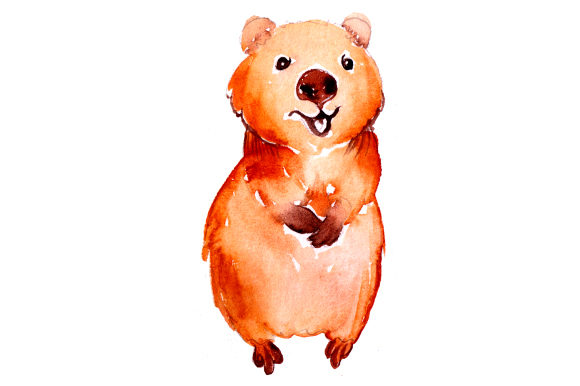
The quokka, native to Western Australia, is famously photogenic, but this watercolor interpretation strips away any cartoonish stiffness. Instead, it treats the animal like a moment captured in a field sketchbook. The shapes are organic, feathery at the edges, and the color blends suggest a light wash of earthy browns, warm greys, and perhaps a hint of ochre. The overall composition feels airy, not cramped. There’s breathing room, which is critical for embroidery because dense, tight layouts can turn muddy on fabric.
As an embroidery designer, I immediately look for how the watercolor effect will translate. Pure watercolor uses transparency and accidental blooms; in thread, we have to simulate that with stitch direction, density, and strategic color changes. The visual personality of Quokka in Watercolor Style leans toward a delicate, almost vintage storybook aesthetic. That means it could work beautifully on natural fabrics like linen, cotton, and chambray, where the texture can mimic paper. I’d avoid shiny, high-sheen materials because the softness of the design would clash with synthetic gloss.
Where This Design Naturally Belongs
I’m already picturing a real scenario: a boutique owner preparing a line of Australian-themed baby gifts. A soft muslin baby blanket with the quokka peeking from a corner, surrounded by a few loose watercolor florals. Or a set of organic cotton burp cloths, each with a single tiny quokka, almost like a stamped illustration. The emotion is gentle, authentic, and instantly recognizable. That’s the kind of product that makes a customer stop scrolling on Etsy or pause at a craft fair table.
Custom Apparel and Tote Bags
On a natural cotton tote bag, Quokka in Watercolor Style would feel like a small art print. I’d position it slightly off-center, maybe with a subtle text below like “smile like a quokka.” The watercolor edges demand a careful digitizing approach—too many tight satin stitches will kill the airy feel, so I’d lean toward a light fill stitch with irregular, soft edges or even a sketch-style running stitch interpretation. For sweatshirts, the design could sit on the upper left chest, but I’d avoid heavy fleece backing because the fine details might get lost in the nap. A French terry or a smooth loopback would be safer.
Baby and Nursery Goods
This is where I see the strongest fit. Nursery decor, personalized baby blankets, and heirloom-style keepsakes thrive on designs that feel tender and artistic. The quokka’s expression is engaging without being overbearing, and the watercolor style aligns perfectly with the modern nursery trend of handmade, minimalist, and nature-inspired aesthetics. Test it on a cotton pillow cover or a lightweight quilt block, and you’ll have a product that new parents would treasure.
Patches, Caps, and Small Accessories
When scaling down Quokka in Watercolor Style for a patch or a cap, you must be strategic. The watercolor effect relies on subtle color transitions, and shrinking it too much can turn those into a blob. I’d recommend a minimum hoop size of 4x4 inches, maybe 3x3 if the digitizer removes the finest background splatters. For a cap, the curved surface can distort the shape, so I’d always test sew on a similar curve before committing to a dozen for a customer order. A structured dad cap with a flat front panel would be more forgiving than a soft, unstructured beanie.
How Watercolor Style Affects Stitching and Visual Appeal
True watercolor embroidery is an art form. The design file you receive—SVG, transparent PNG, EPS, and DXF—isn’t a stitch file, but that’s actually an advantage. It gives you the freedom to digitize according to your machine’s capabilities and your preferred stitch style. I’d use the PNG with its transparent background to plan thread colors. The vector files are perfect for creating mockups or adjusting the size without losing quality.
But here’s the reality: the watercolor effect will never look exactly like a printed painting. You’re interpreting it with thread. The key is to preserve the illusion of transparency and brushstroke texture. I’d choose a palette of closely related thread shades, blending them with a program that allows for irregular edge fills or manual feathering. Use fill stitch with a very low density, or even a running stitch in multiple passes with varied direction. Avoid solid satin borders—they’ll cage the softness. If you want definition, use a single narrow running stitch in a darker tone, but keep it thin and slightly broken.
Customer perception will be high if you execute it well. A handmade product featuring Quokka in Watercolor Style whispers “curated” and “thoughtful.” It’s the kind of design that elevates a simple linen tea towel into a gift someone would be proud to give at a housewarming. It adds a layer of story and origin, especially with the subtle Australian connection, which can be a charming selling point for a travel-themed collection.
A Real Designer’s Test Sequence
Before I ever list a product with this design, I’d run a strict test on scrap fabric. I’d stitch out on a mid-weight cotton first, using a piece of the same fabric I plan to sell. I’d check the thread color contrast against the base—does the quokka’s face fade into a cream background? If so, I’d adjust the lightest thread to be a shade darker, or add a faint outline. I’d also test on a dark fabric, like a deep navy tote, to see if the transparency effect still reads. Often, watercolor designs need a light or white underlay on dark fabrics to keep the colors from getting swallowed.
Stabilizer is non-negotiable. For a design with open, irregular edges, I’d use a quality cut-away stabilizer, especially on knits. The last thing I want is the design puckering or shifting. I’d also do a black-and-white mockup printout to see if the tonal values hold up without color. If the quokka’s shape is still recognizable, you’ve got a strong design.
Product Value and Brand Consistency
If you’re building a small shop brand, consistency matters. Quokka in Watercolor Style pairs naturally with other watercolor animals, botanical sketches, or Australian-themed flora. I’d use it as part of a cohesive collection—think “Watercolor Wildlife” or “Coastal Companions.” The artistic style sets a premium tone, so don’t slap it on a cheap polyester shirt. Choose materials that reflect the design’s quality: organic cotton, linen blends, even a textured canvas tote. The finished product should feel like a piece of usable art, not a mass-produced novelty.
For giftability, this design excels. A wedding gift of embroidered hand towels with a pair of quokkas? A baby shower hamper with a matching quokka bib and onesie? The sentimental value is immense, and customers will pay a higher price point for that emotional connection. Just be sure to photograph the final product in natural light, maybe with a few eucalyptus sprigs, to tell the story visually.
Commercial Licensing and File Formats
Let’s get practical about the files. According to the product description, Quokka in Watercolor Style comes as SVG, transparent PNG, EPS, and DXF. That’s a solid set for digital crafters, but as embroidery designers, we need to convert these into a stitch format. Before you digitize, confirm the licensing terms. Can you sell finished embroidered items? Can you use the design on products you list on Etsy or sell at markets? Most design sellers allow commercial use on physical products, but never assume. A quick check saves you from legal headaches later.
Also, if you plan to resell the digital file itself in any form, that’s usually a separate license. I’d stick to using Quokka in Watercolor Style as a finished embroidery asset, not as a digital download to redistribute. The design belongs to the “Australia” category, which is perfect for tourism-themed boutiques, wildlife conservation fundraisers, or just celebrating the charm of that little creature.
When to Be Cautious
I’d think twice about using this on highly textured fabrics like terry cloth, thick wool, or loosely woven burlap. The watercolor edges need a relatively smooth surface to read clearly. Ribbed knits can also cause distortion, so if you’re going for a baby onesie, choose a fine interlock knit and use a topping stabilizer to keep the stitches from sinking. Small hoop sizes below 4x4 inches will likely lose the delicate details, so if your machine’s max is 4x4, you might need to simplify the design or remove some of the peripheral splatters.
For products that need frequent washing, such as kitchen towels or children’s clothing, I’d test the stitch durability. Light-density fill stitches can snag if not secured properly, so I’d add a few discreet tie stitches and maybe a light underlay. The design shouldn’t be stitched right to the edge of a seam allowance, either, because the open edges might fray the design later.
Final Thoughts from the Worktable
I’ve learned over the years that the best embroidery designs are the ones that make you smile before you even thread the needle. Quokka in Watercolor Style does exactly that. Its artistic, loosely painted look offers a refreshing break from the rigid, clip-art style that often floods craft libraries. With the right digitizing, fabric choice, and placement, it can become a signature piece in your product line—whether you’re making a single heartfelt gift or a full boutique collection.
Just remember: take the time to test, respect the watercolor personality, and let the design breathe on the fabric. Your customers will notice the difference, and your handmade work will stand out in a sea of ordinary embroidery.