Hot Air Balloon in Watercolor: Crafts & Designs Amp
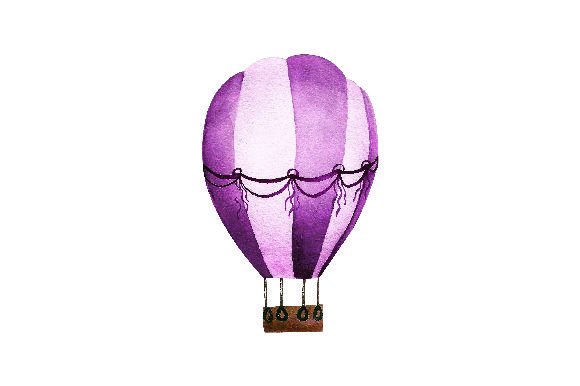
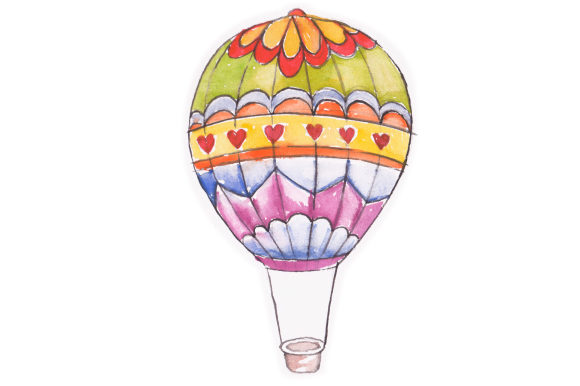
When I first open the file and see the Hot Air Balloon in Watercolor, I’m not just looking at a clipart. I’m scanning the emotional texture, the soft bleed of pigment, the way the balloon floats almost weightless against a transparent background. The watercolor strokes carry a gentle imperfection that feels intentional and human. This isn’t a rigid vector graphic. It’s a mood. For brand owners and content creators who need to stop the scroll with something quietly enchanting, this asset offers a dreamy, airy quality that instantly softens a layout and invites the viewer to linger.
The Mood and Emotional Pull of a Watercolor Balloon
The Hot Air Balloon in Watercolor creates a visual whisper, not a shout. The palette is likely pastel or muted, with washes of color that bleed into each other, suggesting a gentle sunrise, a hopeful launch, or a creative journey. In my brand strategy work, I’ve seen how watercolor illustrations can make a brand feel more approachable, more artisanal, and more emotionally present. The balloon itself is a symbol of adventure, freedom, and upward momentum. Combine that with the soft, hand-painted style, and you get a graphic design asset that speaks to mindfulness, slow living, and heartfelt storytelling. It’s perfect for anyone targeting an audience that values authenticity over polish.
Where This Design Asset Performs Best in Real Marketing
I recently used a similar watercolor element to help a small online boutique launch a new seasonal tea collection. The Hot Air Balloon in Watercolor would have slid right into that campaign. Imagine a hero graphic for a spring sale, a Pinterest pin teasing a travel-themed product line, or an email banner announcing a limited-edition drop. The asset’s lightness makes it perfect for layering over soft background textures without overwhelming the text. It works beautifully as a decorative accent in a brand’s visual identity, adding a signature touch that feels bespoke, not generic.
From Instagram Posts to Blog Graphics: Seamless Integration
On social media, the watercolor balloon becomes a stop-motion moment. I’ve tested similar social media graphics in Instagram carousels and Facebook ads, and the organic, handcrafted look consistently outperforms slick corporate templates in engagement. The Hot Air Balloon in Watercolor can serve as a focal point on a quote card, a background element for a product photo, or a whimsical identifier in a branded template. For Pinterest pins especially, where vertical, dreamy visuals thrive, this illustration can anchor an entire board’s aesthetic and drive significant click-throughs.
Packaging and Editorial Design: Adding a Crafted Touch
Because the file comes with a transparent PNG and an SVG, positioning this asset on a product label or a packaging design is effortless. I’ve layered watercolor elements onto hang tags for handmade candles, onto thank-you cards for artisanal chocolates, and onto the inside covers of editorial brochures. The warmth of the watercolor medium elevates the unboxing experience. The DXF format, often overlooked, is a gift for crafters using cutting machines. Small business owners making stickers, iron-on decals, or window clings can turn this into a physical product without losing the hand-painted feel. That’s a rare versatility that bridges digital product and tangible craft seamlessly.
The Practical Power of Multiple Formats: SVG, PNG, EPS, and DXF
As a brand designer, I appreciate when a creative marketplace listing delivers true format flexibility. The Hot Air Balloon in Watercolor comes in four file types: SVG, transparent PNG, EPS, and DXF. The SVG is what I use most for scaling across web design and creating Canva template elements without quality loss. The transparent PNG drops straight into any digital ads or editorial design layout. The EPS is essential for professional printable design work, allowing me to output at any size for posters or large-format banners. The DXF is the craft designer’s secret weapon, perfect for vinyl cutting and personalized merchandise. This combination makes the asset a true design bundle in a single product, saving hours of redrawing.
Brand Designer’s Checklist: Pairing with Fonts, Colors, and Layouts
Before committing any illustration to a client’s brand identity, I run through a few exercises. With the Hot Air Balloon in Watercolor, I immediately test it against the core brand palette. Its watercolor nature means it can absorb surrounding hues, so I often place it on a soft cream or blush background and adjust the opacity to let the brand colors peek through. I also pair it with different typefaces. A delicate serif font like Playfair Display brings out a timeless, literary feel. A flowing script font matches the organic movement of the brushstrokes. A clean sans serif font adds a modern contrast that stops the design from feeling overly precious. A handwritten font can create a charming, personal note. Even a display font with artistic character can work if the balloon is used as a subtle backdrop. The key is to keep the balloon’s visual weight balanced with the typography so the messaging stays clear.
When to Use Caution with a Watercolor Asset
No graphic design asset is universal. I’ve learned to avoid placing watercolor elements in formal corporate branding where a sharp, vector-based look is mandatory. The Hot Air Balloon in Watercolor might feel too whimsical for a law firm or a high-tech industrial brand. In small mobile graphics or dense information layouts, the delicate washes can lose their impact and become muddy blobs. Always preview the asset on a mobile screen and check the visual hierarchy. If the balloon competes with a headline or a call-to-action button, scale it down or use it as a decorative frame rather than the main hero. Test it on a low-contrast background; the watercolor’s transparency might cause it to disappear. And always confirm the commercial license before using it in paid campaigns, client work, or small business branding that will be printed on merchandise.
How This Design Supports Marketing Goals and Audience Trust
A well-chosen digital product doesn’t just decorate—it communicates. When I integrate the Hot Air Balloon in Watercolor into a campaign, I’m counting on it to build a stronger first impression. The handcrafted look signals care and intention, which fosters audience trust. In a sea of templated stock art, a watercolor balloon feels like a deliberate choice, not a filler. This can improve brand recognition and make the entire campaign more memorable. For content marketing, where consistency is key, using the same illustration across a media kit, website header, and lead magnet creates a cohesive narrative. The emotional connection is immediate: the viewer feels the lightness, the possibility, the gentle aspiration. That’s a powerful asset for any small business owner or creative entrepreneur trying to stand out without looking loud.
Final Thoughts from a Brand Designer’s Desk
I’ve reviewed hundreds of design assets from various creative marketplace platforms, and the Hot Air Balloon in Watercolor stands out for its quiet charm and multi-format practicality. Whether you’re a digital seller building a design bundle, a social media manager refreshing a brand’s grid, or a product creator designing merchandise and stickers, this illustration brings a gentle, optimistic energy that few stock vectors can match. The listing on Designs Amp, under the Crafts category, feels right at home. It’s not just a clipart; it’s a commercial design tool that can stretch from a logo design accent to a printable event flyer. I’d recommend it to anyone who needs to inject a touch of poetry into their professional branding without losing versatility. Test it inside your own campaign mockups, pair it with a thoughtful font, and watch how a simple watercolor balloon can lift the entire visual story.