Sailboat in Sea Watercolor: Embroidery Design Review
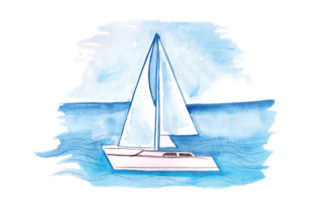
I spend a lot of my design time looking at artwork and imagining how it will actually behave once thread hits fabric. Some pieces promise a lot but turn into a dense, muddy mess under a needle. Others surprise you with how naturally they translate. Sailboat in Sea in Watercolor landed somewhere in the middle for me, and that’s a good thing. It’s a gentle, artistic composition that brings a calm, coastal mood without trying too hard to be realistic. The watercolor brushstrokes give it a hand-painted feel, and the loose silhouette of the sailboat keeps it approachable for embroidery. I immediately thought of several client projects where this would work beautifully, but I also saw a few places where it would need a thoughtful touch.
Testing the Design on a Custom Canvas Tote
I had a custom tote bag job on my calendar for a sailing enthusiast’s birthday gift, and this design felt like a natural fit. The soft edges and watery washes of color would look lovely on a natural canvas ground, maybe with a few subtle thread colors that mimic watercolor blending. I pictured a light blue sky, a slightly deeper blue for the sea, and a clean white sail that would pop without feeling harsh. The boat itself is simple but recognizable, which is exactly what you want on a tote bag that someone will carry every day. It’s not a loud, cartoony graphic, it’s a quiet, thoughtful illustration that works for a grown-up gift.
I ran a quick mental stitch test before committing to the embroidery machine. The watercolor effect in Sailboat in Sea in Watercolor does not rely on crisp outlines or heavy satin borders. That’s a relief, because heavy satin outlines on a soft design can kill the mood. Instead, I saw this being built with a mix of light fill stitches, some variable density running stitches for the washy areas, and maybe a few strategic satin accents on the mast or hull. The design would need careful digitizing to preserve the transparency and layered look of the watercolor. If I just auto-digitized it, the result would be a flat, blocky shape that loses all the charm. So I’d either hand-digitize it or work with a digitizer who understands painterly effects.
How the Watercolor Personality Translates to Stitch
Watercolor embroidery is not a literal paint-to-thread conversion. It’s about creating the illusion of softness and blend. Sailboat in Sea in Watercolor has a lot of overlapping transparent areas, and that means you have to think about stitch direction, thread density, and how colors will interact on the fabric. I’d use a lighter underlay for the sky and sea, maybe a thin layer of polyester thread with a low stitch density so the fabric texture shows through. The sailboat itself could be done with a slightly denser fill to give it visual weight, but not so dense that it puckers the fabric. I’d also avoid using pure white thread on the sail, because on a light tote bag it would disappear. A soft cream or very light grey would read as white while keeping the sail visible.
One thing I really appreciate about this design is that it’s not overly detailed. The boat doesn’t have tiny rigging lines or complicated shading that would get lost in thread. The shapes are forgiving, which makes it suitable for a range of hoop sizes. I’d feel comfortable stitching this at 4x4 inches on a small hoop, though I’d probably enlarge it to 5x7 for a tote bag to let the watercolor texture breathe. On a sweatshirt, I’d go even larger, maybe 6x10, to make it a statement piece.
Where Sailboat in Sea in Watercolor Really Shines
I see this design fitting into a handful of product categories that value a soft, handmade aesthetic. It’s not a corporate logo; it’s an art piece. So it’s perfect for personalized gifts, boutique apparel, and home decor that feels warm and personal.
- Tote bags and canvas pouches: The watercolor style looks intentional and artful against a natural fabric background. It gives a hand-printed vibe that buyers love.
- Sweatshirts and t-shirts: On a crewneck or a relaxed tee, this design adds a subtle coastal touch. It’s not splashy, so it works for customers who want wearable art.
- Pillow covers and tea towels: For a beach house or a nautical nursery, a small embroidered Sailboat in Sea in Watercolor on a linen pillow cover or a flour sack towel is a high-end boutique item.
- Baby items: The soft colors and gentle subject matter make it safe for onesies, bibs, or baby blankets. I’d just be mindful of the backing on delicate skin.
- Patches and caps: I’d be more cautious here, but a simplified version of the design on a structured cap could work if you clean up the edges and use a merrowed border for the patch.
For digital product sellers, the file formats are a bonus. You get an SVG, transparent PNG, EPS, and DXF, which means you can use the design for printable mockups, sublimation, or even laser engraving. But for embroidery, you’ll need to digitize it yourself or hire a professional. The listing doesn’t promise a ready-to-stitch file, so don’t assume it’s plug-and-play for your machine. If you’re new to embroidery, that’s a crucial step.
Where I’d Use Caution with This Design
Not every fabric or product is going to be kind to a watercolor-inspired embroidery design. I learned over the years that soft, painterly designs can vanish on textured fabrics or get distorted on stretchy materials. Here’s where I’d slow down and test before committing to a full run.
- Dark fabrics: The watercolor effect relies on transparency and light colors. On a black or navy sweatshirt, the design might need a white underlay or a completely rethought color palette. I’d test on a dark scrap first to see if the mood holds up.
- Textured fabrics like terry cloth or fleece: The details in the watercolor washes will get lost in the pile. I’d stick to smooth, flat substrates like cotton twill, linen, or quality jersey.
- Thin or stretchy fabric: A dense fill stitch on a lightweight knit can cause puckering and distortion. With Sailboat in Sea in Watercolor, I’d use a cutaway stabilizer and keep the stitch density on the lighter side to preserve the drape of the garment.
- Small lettering or tiny accents: This design doesn’t have text, but if you plan to add a name or date, be careful about placing it over the watercolor area. The blurry edges of the stitch might make small text hard to read.
I also think about the washing durability. If I’m stitching this on a tea towel that will get washed every week, I’d use a poly thread over cotton for better colorfastness and a softer hand. The last thing I want is a beautiful design that fades and frays after a few cycles.
The Visual Impact and Customer Response
When I imagine a finished product with this design, I see a piece that feels thoughtful and premium. It’s not a generic anchor or a basic sailboat silhouette you can find anywhere. The watercolor treatment gives it an artistic edge that justifies a higher price point. For a small business owner, that’s a big deal. You can charge more for a handmade item when the design looks like a curated piece of art.
Customers who buy coastal or nature-themed products are often drawn to subtlety over bold graphics. Sailboat in Sea in Watercolor from the Nature Amp category fits that desire perfectly. It’s serene, not shouting. It tells a story of slow mornings by the water, which is exactly the kind of emotional connection that sells on Etsy or at a craft fair. I’ve noticed that items with soft, painterly designs tend to get more compliments and repeat orders because they feel unique and personal.
For a holiday gift or a wedding present, the design makes a lovely keepsake. A couple who got married by the sea would love this on a custom pillow or a framed embroidery hoop art piece. The design’s simplicity also makes it versatile for personalization; you can easily add a monogram or a date without crowding the composition.
Practical Designer Notes Before You Start Stitching
I always tell my students and fellow makers to test, test, test. That’s never more true than with a watercolor-style design. Here’s my checklist if you’re planning to use Sailboat in Sea in Watercolor in a real embroidery project.
- Digitize with intention: Don’t auto-digitize this one. Work with a digitizer who can layer varied stitch types and densities to mimic the watercolor washes. Ask for a soft edge finish wherever possible.
- Check thread colors on the actual fabric: The same thread color can look completely different on cream canvas versus white cotton. I’d pull a few shades of blue and grey and test them side by side.
- Review the stitch density: Too much density will make the design stiff and heavy. Too little will make it look sparse. I’d aim for a light to medium fill that feels good on the hand.
- Confirm your hoop size: The design’s composition is forgiving, but I’d still measure the stitch area before hooping. Don’t assume it will fit a 4x4 hoop without checking the digital file dimensions.
- Test on a scrap of the final fabric: Even if the stabilizer is right, the fabric’s weave can affect how the stitch sits. A quick sew-out on a scrap saves time and materials.
- Check the licensing: The product description mentions SVG, PNG, EPS, and DXF files. Before you use this design on items you sell, confirm that the license covers commercial use. If you’re digitizing your own embroidery file from the artwork, make sure the original license allows derivative works for physical products.
For those who sell digital products, the vector and transparent PNG files are a great asset for creating mockups or printable transfers. You can easily incorporate the artwork into a product preview without needing to stitch it out first. That’s a smart way to test market interest before investing in a full embroidery run.
Making the Final Call on This Design
I enjoy designs that feel like a conversation rather than a statement. Sailboat in Sea in Watercolor has that quiet, artistic quality that makes it a versatile tool in my embroidery library. It’s not the easiest design to digitize well, but the effort pays off in a finished product that looks carefully handcrafted. For a tote bag, a baby blanket, or a coastal home decor piece, it’s a design I’d reach for again and again. I’d just remind every maker to treat it like the art it is, take the time to do the test sew, and pick the right fabric and thread to let the watercolor mood shine through.